With a Master's degree in Modern International and Transnational History you will have a greater understanding of transnational processes and will be able to identify and work with the opportunities and challenges that often are unique when working across borders. The ability to understand complex issues, exercise source criticism, and good written and oral presentation are sought-after skills for work tasks related to analysis, consulting, case management, teaching, dissemination, research, and communication.
Read more about career opportunities and relevant industries
Former students at work
-
Information technologist
In his job at the National Library of Norway, Lars Magne uses technology to develop new ways of understanding culture, history and language.
-
Digital Editor
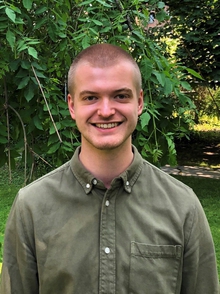
The experience Sigvart gained from the student history journal Fortid played a crucial role in him getting a job at Cappelen Damm Utdanning.

Start developing your career
You will spend the greater part of the third semester either on an internship abroad or on a history project, which contains the production of a research paper based on genuine on-spot archival research outside of Norway. You can also write your master's thesis in cooperation with an external partner. Through this you can get valuable contacts and network that can be useful when you apply for a job after graduation. You can also prepare for working life along the way by participating in career fairs, job search and interview workshops.
- Internship for Modern International and Transnational History Students
- History Project for Modern International and Transnational History Students
- Start preparing for working life through Jobbklar in Canvas
- Join Historisk studentforening (in Norwegian)
Enhance your degree with an interdisciplinary certificate
Gain unique interdisciplinary competencies for your degree, together with students from across UiO. The certificate provides students with knowledge and skills sought after in the job market.
The honours certificates consists of 20 ECTS, which may be taken as a supplement to your program. It is available for all students enrolled in a master's or professional degree program.
Further studies
Read more about research training at the Faculty of Humanities: